Introduction
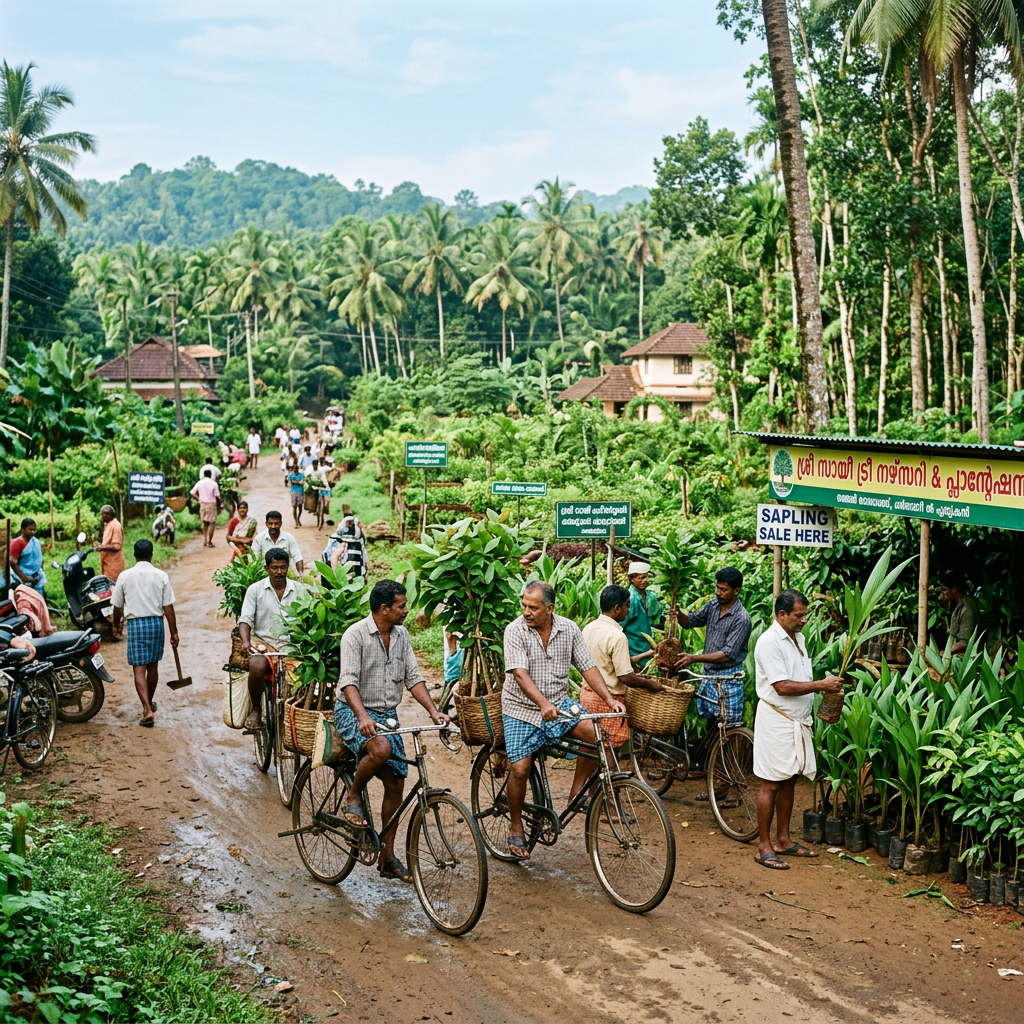
Keralam, also known as Kerala, is renowned for its lush greenery, vibrant culture, and biodiversity. The state is particularly famous for its tree plantations, which play a crucial role in the economy, ecology, and overall sustainability of the region. The tree plantation sale cycle in Keralam is a structured process that involves various stakeholders, including farmers, nurseries, government bodies, and consumers. In this article, we will delve into the phases of the sale cycle, the different types of trees planted, and the impacts of tree plantations in Keralam.
Understanding Tree Plantations in Keralam
Tree plantations in Keralam encompass a variety of species, from timber trees like Teak and Mahogany to fruit-bearing trees such as Mango and Coconut. These plantations contribute to the agricultural economy, provide livelihoods, and help mitigate climate change by acting as carbon sinks.
Key Stakeholders
- Farmers: Local farmers are at the forefront of the plantation sale cycle. They cultivate saplings in nurseries, either for sale or for planting on their own land.
- Nurseries: These facilities support farmers by providing the necessary saplings. Some nurseries are government-run while others are privately owned.
- Government Bodies: The Kerala Forest Development Corporation (KFDC) and other government departments oversee the regulation and promotion of tree plantations.
- Consumers: These include local residents and businesses that purchase saplings for landscaping, farming, and reforestation projects.
Phases of the Tree Plantation Sale Cycle
1. Preparation and Planning
Before the sale cycle begins, effective planning is crucial. This includes determining the types of trees to be planted based on soil conditions, climate, and market demand. Farmers often conduct research or consult with agricultural experts to make informed decisions.
2. Cultivation of Saplings
Once planning is complete, the next phase involves the cultivation of saplings. Nurseries may grow these saplings from seeds or cuttings. This stage also includes taking care of water, nutrients, and pest management to ensure healthy plant growth.
3. Marketing and Promotion
As the saplings approach maturity, farmers and nurseries begin marketing their products. This can involve creating awareness through local markets, social media, and participation in agricultural fairs. The marketing strategy may vary based on the target audience, focusing on benefits such as environmental impact and economic returns.
4. Sales and Transactions
The sales process typically involves direct transactions between nurseries or farmers and consumers. Prices are often set based on market trends, species rarity, and the overall demand for tree saplings. Payment methods may vary, including cash, credit, or mobile payment systems.
5. Transportation and Delivery
Once a sale is made, the transportation of saplings becomes crucial. Proper care must be taken to ensure that the saplings are delivered in good condition. For local sales, customers may transport the saplings themselves, while for bulk orders, nurseries may arrange for delivery.
6. Post-Sale Support
Post-sale support is essential to ensure the successful growth of the planted saplings. This can involve educating consumers about proper planting techniques, watering schedules, and pest management. Nurseries may provide after-sales clinics or workshops to help buyers understand how to care for their trees.
Importance of Tree Plantations in Keralam
Environmental Benefits
Tree plantations are pivotal in Keralam’s ecology. They contribute to:
- Biodiversity: Plantations create habitats for various wildlife species.
- Soil Conservation: Trees prevent soil erosion and improve soil fertility.
- Carbon Sequestration: By absorbing carbon dioxide, trees help mitigate climate change effects.
Economic Contributions
The economic impact of tree plantations cannot be overstated. The industry supports local economies through:
- Job Creation: Many people are involved in nursery management, cultivation, and sales.
- Tourism: Scenic plantations attract tourists and promote eco-tourism.
Social Implications
Tree plantations also play a role in enhancing social well-being by:
- Community Engagement: People often come together for reforestation initiatives.
- Education: Workshops and training programs raise awareness about the value of trees.
Challenges in the Tree Plantation Sale Cycle
Despite the numerous benefits, the tree plantation sale cycle in Keralam faces challenges:
- Climate Change: Unpredictable weather patterns can disrupt plantation cycles.
- Pest Infestations: Pests can severely impact sapling health, leading to financial losses for farmers.
- Market Fluctuations: Changes in consumer demand can affect pricing strategies.
Strategies for Improvement
- Research and Development: Continued investment in agricultural research can enhance species resilience and adaptability.
- Training Programs: Providing farmers and consumers with training can improve farming techniques and sustainability practices.
- Community Initiatives: Collaborative efforts among stakeholders can create a stronger network for tree plantation advocacy and sales.
Conclusion
The tree plantation sale cycle in Keralam is a multifaceted process that significantly impacts the region’s environment, economy, and society. By understanding the different phases of this cycle and the challenges faced, stakeholders can work collaboratively towards a more sustainable and profitable future. Tree plantations will continue to be a vital part of Keralam’s identity, balancing environmental needs with economic growth. Through proper planning, education, and support, the cycle of tree plantation sales can flourish, benefiting all involved.
This comprehensive understanding of the Keralam tree plantation sale cycle highlights the importance of trees in our lives and their potential to foster sustainable development in the region.

Leave a comment