Introduction
India, with its diverse landscape and climatic variations, faces significant challenges in water management. Rapid urbanization, population growth, and changing climate patterns contribute to water scarcity in many regions. The Sponge City concept, which emphasizes the natural absorption and storage of rainwater, offers a sustainable solution to improve water deposition and management.
Understanding Sponge Cities
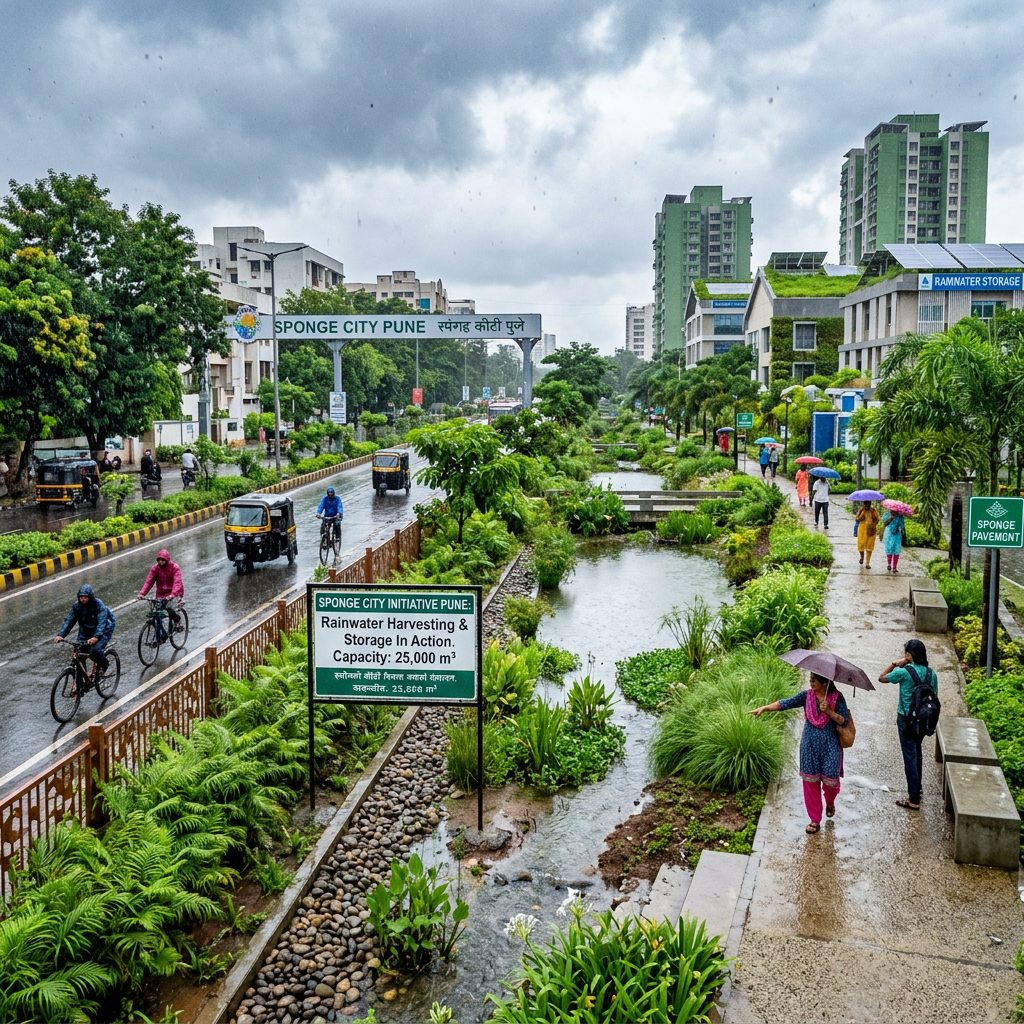
Sponge Cities are designed to absorb, store, and purify rainwater, minimizing runoff and restoring natural water cycles. This initiative encourages the use of permeable surfaces, green roofs, and urban wetlands, allowing cities to function more like natural ecosystems. By integrating green infrastructure with urban planning, Sponge Cities capture and manage rainwater efficiently.
The Need for Sponge Cities in India
1. Water Scarcity
India experiences varying degrees of water scarcity across its regions. According to the National Water Policy, about 600 million people face high to extreme water stress. The Sponge City initiative can significantly increase water deposits by capturing rainfall during monsoon seasons, allowing communities to tap into this vital resource year-round.
2. Urbanization Challenges
Urban areas in India are expanding rapidly, resulting in increased impervious surfaces and reduced natural drainage systems. Traditional drainage systems often fail to accommodate heavy rainfall, leading to flooding. Sponge City solutions, such as permeable pavements and rain gardens, can help manage excessive runoff and reduce flood risks.
3. Climate Change Resilience
With climate change exacerbating rainfall patterns, cities must adapt to more intense and unpredictable weather events. Sponge Cities promote resilience by improving water management systems that can cope with sudden floods while retaining moisture during dry spells. This dual function is crucial for maintaining water availability.
Components of Sponge Cities
1. Green Infrastructure
Integrating green infrastructure is essential for Sponge Cities. This includes:
- Green Roofs: They absorb rainwater, reduce urban heat, and provide insulation.
- Urban Forests: Trees play a vital role in improving air quality and fostering biodiversity while absorbing rainwater.
- Rain Gardens: Designed to capture runoff, rain gardens can filter pollutants and recharge groundwater.
2. Permeable Surfaces
Implementing permeable materials for roads and pathways allows rainwater to infiltrate the ground, reducing surface runoff. These materials, such as porous asphalt and gravel, can significantly enhance groundwater recharge.
3. Stormwater Management Systems
Innovative stormwater management infrastructure is crucial to Sponge Cities. This includes:
- Bioretention Basins: These are designed to manage stormwater by filtering and absorbing runoff.
- Detention Ponds: They temporarily hold excess water, allowing for gradual release and groundwater replenishment.
- Wetlands: Natural or constructed wetlands can treat stormwater while providing habitats for wildlife.
Case Studies in India
1. Pune
Pune has initiated several rainwater harvesting projects aimed at becoming a Sponge City. Integrating green spaces and rainwater storage facilities is part of Pune’s development plan. These efforts have shown promise in improving groundwater levels and enhancing community awareness about water conservation.
2. Bengaluru
Bengaluru’s implementation of the Sponge City concept has involved restoring natural drainage systems and creating rainwater harvesting structures across the city. These measures have significantly reduced flooding and improved groundwater recharge, showcasing the potential benefits of adopting this approach on a larger scale.
Community Involvement
Community participation is vital for the success of Sponge City initiatives. Local residents can contribute by:
- Participating in awareness campaigns promoting rainwater harvesting techniques.
- Engaging in the maintenance of green spaces and community gardens.
- Supporting policymakers in sustainable urban planning decisions.
Policy Implications
Implementing Sponge City principles requires robust policy support. Government initiatives should:
- Promote Regulations: Establishing mandates for rainwater harvesting in new constructions.
- Provide Financial Incentives: Offering subsidies or tax breaks for sustainable practices, such as using permeable pavements.
- Enhance Education: Developing educational programs and workshops to inform citizens about water conservation techniques.
Conclusion
The Sponge City initiative presents a viable solution to India’s pressing water-related challenges. By integrating natural systems and innovative technologies, cities can significantly enhance their water deposits and manage stormwater more effectively. Transitioning to Sponge Cities requires collaboration among government, communities, and industries, fostering a sustainable future for water management in India. Embracing this concept is crucial for creating resilient cities that not only preserve water resources but also enhance urban livability.

Leave a comment