Introduction
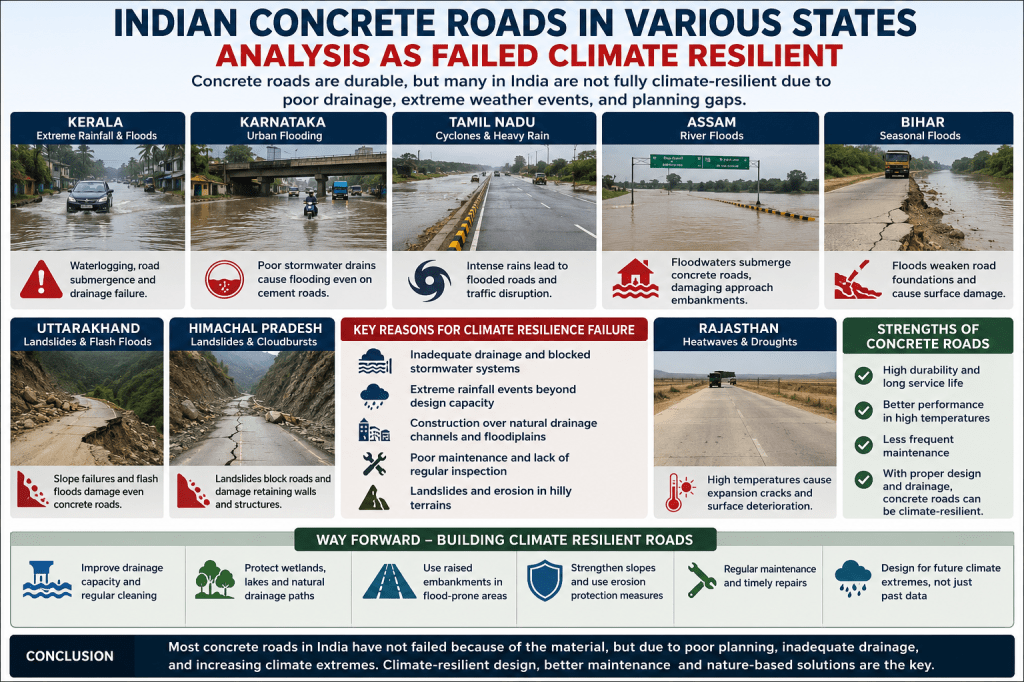
India, with its vast and diverse geographical landscape, relies heavily on concrete roads for transportation and connectivity. The continual expansion of infrastructure has led to the construction of numerous concrete roads across various states. However, the resilience of these roads in the face of climate change poses significant questions. As severe weather phenomena increase in frequency and intensity, the capability of concrete roads to withstand such challenges is essential for sustainable development.
Overview of Concrete Roads in India
Concrete roads are favored for their durability and longevity compared to traditional bituminous roads. Implemented in various states, these roads are designed to handle heavier traffic loads and generally require less maintenance. Yet, the durability of these roads has been increasingly questioned due to the impacts of climate change, including erratic rainfall patterns, increasing temperatures, and rising sea levels in coastal areas of India.
Case Studies by State
1. Maharashtra
Maharashtra, one of India’s most industrialized states, has invested significantly in concrete road construction. However, many of these roads have suffered from premature failures due to poor quality materials and lack of proper drainage systems. Heavy monsoons in the region have led to waterlogging, which, combined with the heat, has caused surface cracking and deterioration.
2. Uttar Pradesh
Uttar Pradesh has seen a considerable push for concrete roads under various infrastructure initiatives. The extreme weather variations—seasonal heavy rains followed by hot, dry summers—have exposed the weaknesses of these roads. Instances of raveling and surface wear due to thermal expansion and shrinkage have increased. The need for adapting road designs to accommodate these conditions is becoming increasingly urgent.
3. Tamil Nadu
In Tamil Nadu, where urbanization is rapidly advancing, concrete roads are prevalent. However, the state’s coastal locations are vulnerable to rising sea levels and increased flooding. Many concrete roads have failed to provide the necessary resilience against saltwater intrusion, leading to corrosion of reinforcing materials. Moreover, the high temperatures during summer exacerbate the formation of cracks, hampering the structural integrity of the roads.
4. West Bengal
West Bengal’s concrete road network faces challenges from the heavy monsoon rains that often result in flooding. The roads, while initially robust, have shown vulnerabilities to water-induced stress. Instances of surface peeling and subsidence have been reported, highlighting the inadequacy of existing designs to cope with the high water table and heavy rainfall.
5. Gujarat
In Gujarat, the construction of concrete roads has improved connectivity significantly. However, the state’s dry climate interspersed with sudden heavy rains presents unique challenges. Many roads exhibit reflective cracking due to thermal stress and the rapid transition between the dry and wet seasons. The design and materials used in these constructions need reconsideration to increase their climate resilience.
Climate Resilience Factors
1. Material Quality
The resilience of concrete roads is largely dependent on the quality of materials used. Inferior concrete mixes and inadequate reinforcement can compromise the longevity and reliability of these infrastructures. Ensuring stringent quality control during construction is paramount.
2. Drainage Systems
Proper drainage is essential to prevent water accumulation and minimize stress from flooding. Roads without effective drainage solutions are prone to failure during heavy rains, contributing to erosion and material damage.
3. Design Flexibility
Road designs must incorporate flexibility to adapt to varying climatic conditions. The traditional rigid design can result in increased vulnerability to thermal stress and moisture-induced damage. Advanced engineering solutions, such as incorporating flexible joints, can enhance durability.
4. Regular Maintenance
Systematic and regular maintenance is crucial for sustaining the performance of concrete roads. Predictive maintenance strategies, including timely inspections and repairs, can alleviate major failures and prolong the lifespan of these infrastructures.
Conclusion
The need for climate-resilient infrastructure, particularly concrete roads, is becoming increasingly inevitable as India faces the brunt of climate change. While concrete roads offer benefits in terms of durability and reduced maintenance, they must be designed and constructed with climate impacts in mind. The analysis across various states shows a worrying trend of early deterioration due to inadequate planning, material deficiencies, and a lack of adaptability to rapid climatic changes. Addressing these issues through improved material quality, effective drainage solutions, adaptable designs, and regular maintenance is essential for fostering a sustainable and resilient roadway network in India.
As India progresses towards a more climate-resilient future, the lessons learned from past failures in road construction can serve as a foundation for better practices, enhancing both infrastructure durability and the quality of life for millions of citizens.

Leave a comment