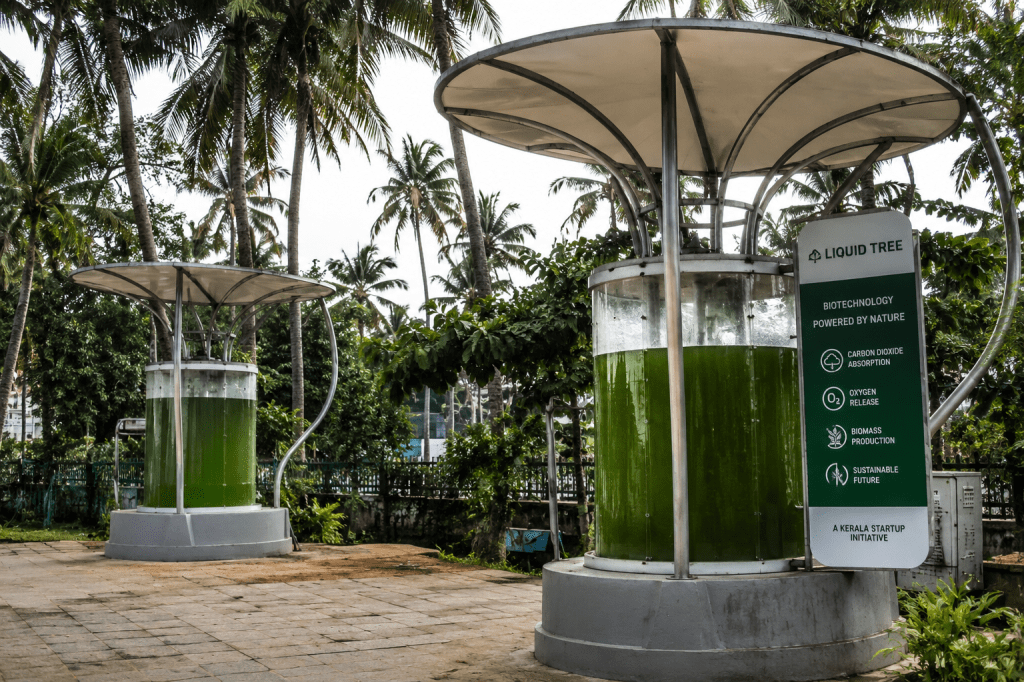
The concept of a ‘liquid tree’ is an innovative fusion of nature and technology, presenting an eco-friendly solution to urban pollution and climate change. In Keralam, a state known for its lush greenery and biodiversity, the adoption of such technology not only demonstrates significant strides in scientific advancement but also showcases an effort to preserve the natural environment. This article explores the potential of liquid trees in Keralam, highlighting their benefits, functioning, and the impact they could have on the local ecosystem and community.
What is a Liquid Tree?
Liquid trees are innovative devices designed to absorb carbon dioxide from the atmosphere in a manner similar to traditional trees. However, instead of using photosynthesis, they utilize advanced technology to filter and convert carbon emissions into liquid form, which can then be stored or repurposed. This process mimics the natural capabilities of trees but enhances efficiency through technological methods.
The Technology Behind Liquid Trees
The heart of the liquid tree lies in its filtration system. These installations typically include:
- Carbon Capture Units: These units are designed to draw air in and filter out carbon dioxide. High-efficiency filters and chemical processes then convert the CO2 into a liquid solution, which reduces the carbon footprint.
- Storage Tanks: The captured CO2 is stored in tanks until it can be converted to usable materials or safely disposed of.
- Renewable Energy Sources: To power these systems sustainably, they often rely on renewable energy like solar or wind, ensuring their operations do not contribute further to pollution.
- Smart Technology: Integrated sensors and software track the performance of the liquid trees, adjusting the capture processes for optimal efficiency.
Benefits of Liquid Trees in Keralam
The introduction of liquid trees in Keralam can lead to numerous environmental and economic advantages:
1. Carbon Reduction
One of the most pressing issues in urban areas is air pollution, primarily caused by vehicular emissions and industrial activities. Liquid trees can significantly reduce the levels of carbon dioxide, helping to mitigate the effects of global warming.
2. Urban Beautification
Unlike traditional industrial solutions, liquid trees can also enhance the beauty of urban spaces. Their sleek design and presence in public areas can transform cities into greener, more aesthetically pleasing environments.
3. Job Creation and Economic Growth
Implementing liquid tree technology can spur new job opportunities in various sectors such as manufacturing, maintenance, and research. Local communities could benefit from training and employment, fostering economic stability.
4. Educational Opportunities
Liquid trees can serve as educational tools, allowing schools and universities to study their impact and the technological processes involved. This provides valuable learning experiences for students in environmental science and engineering.
5. Health Improvements
With cleaner air, the overall health of residents may improve. Reducing air pollutants can decrease rates of respiratory diseases, ultimately enhancing quality of life.
Implementing Liquid Trees in Keralam
For Keralam to make the most of this innovative technology, a structured approach is necessary:
1. Pilot Projects
Initiating pilot projects in select urban areas can showcase the effectiveness of liquid trees, attracting funding and interest from the public and private sectors.
2. Government Collaboration
Partnerships between government agencies, research institutions, and private companies can facilitate the development and maintenance of liquid trees. This collaboration can streamline processes and ensure efficient implementation.
3. Community Engagement
Engaging local communities in the decision-making process is vital. By involving residents in discussions about where to place liquid trees and how they can contribute, sustained support is more likely.
4. Research and Development
Investing in R&D can improve existing technologies and lead to innovative solutions tailored to Keralam’s unique environmental needs. Local universities and research facilities can play a crucial role in this endeavor.
Challenges and Considerations
While the potential of liquid trees is significant, there are also challenges that need addressing:
1. Cost
The initial investment in technology, infrastructure, and maintenance could be substantial. Securing funding through governmental and non-governmental organizations will be essential.
2. Public Awareness
Raising awareness about the benefits and operation of liquid trees is crucial for public acceptance. Educational campaigns can help inform citizens about how this technology can positively impact Keralam.
3. Environmental Impact
Careful assessment of the environmental impact is necessary to ensure that the installation of liquid trees does not inadvertently harm local ecosystems.
Conclusion
Liquid trees represent a forward-thinking solution to climate change and urban pollution, aligning with Keralam’s commitment to environmental sustainability. By combining technology with nature, liquid trees have the potential to enhance the quality of life for residents, contribute to a healthier ecosystem, and create economic opportunities. With proactive planning and community involvement, Keralam can spearhead this innovative movement, setting an example for other cities grappling with similar environmental challenges.

Leave a comment