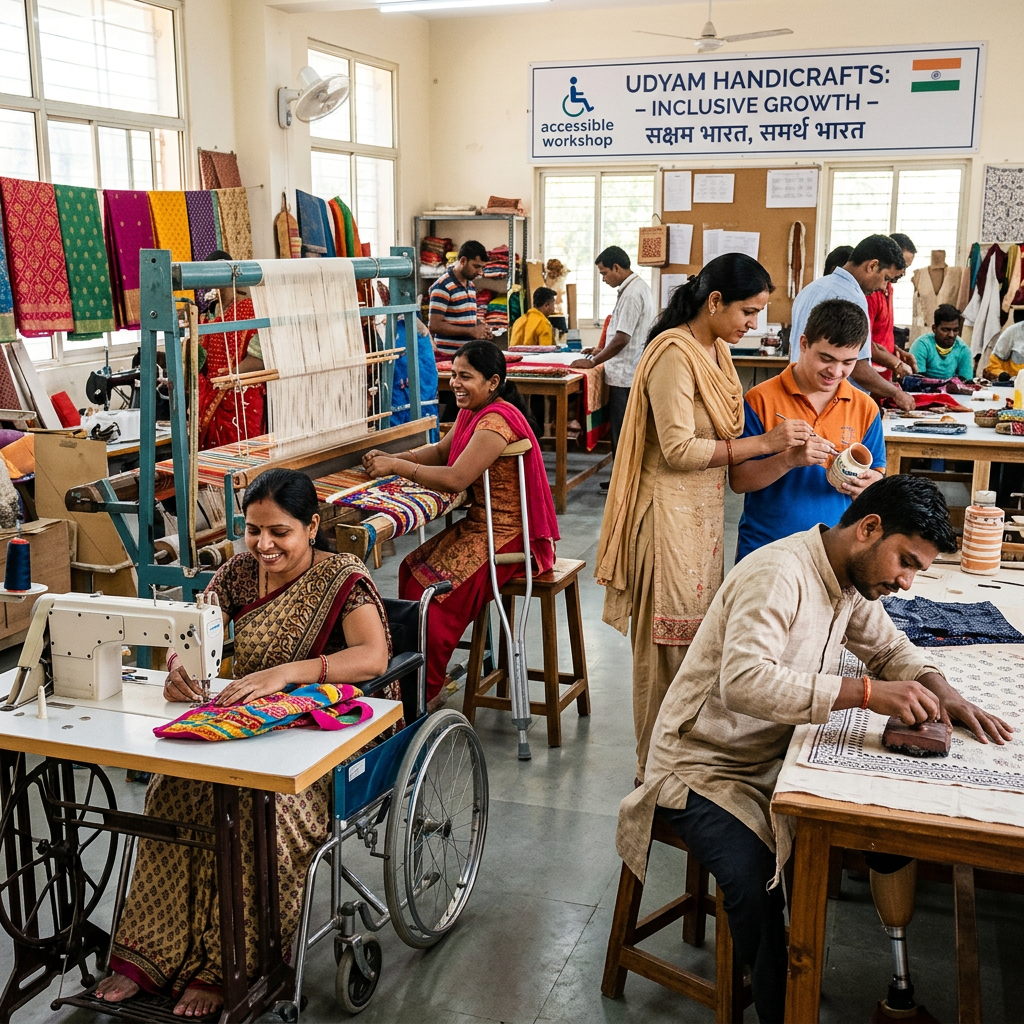
The National Centre for Promotion of Employment for Disabled People (NCPEDP) has long advocated for the rights and empowerment of individuals with disabilities in India. One of the significant points raised by the organization is that merely providing pension schemes for people with disabilities is insufficient to ensure their economic independence and social inclusion. Instead, a holistic approach focused on economic inclusive growth is essential for forging a path towards a more equitable society.
Understanding the Need for Economic Inclusion
In India, the population of individuals with disabilities numbers in the millions. Sadly, many of these individuals face systemic barriers that prevent them from accessing basic opportunities, including education, employment, and entrepreneurship. Pension schemes, while helpful in providing a safety net, often do not address the underlying issues of poverty and unemployment faced by this demographic.
Economic inclusion aims to empower individuals with disabilities to become self-sufficient and active contributors to society. This includes access to quality education, vocational training, employment opportunities, and support for entrepreneurship. To build a more inclusive economy, policies must go beyond short-term welfare solutions and focus on creating sustainable opportunities for growth and development.
The Role of Education and Skill Development
Education is the cornerstone of economic empowerment. There needs to be a concerted effort to ensure that individuals with disabilities receive quality education tailored to their needs. The integration of inclusive education systems in schools can help dispel stereotypes and provide children with disabilities the skills and knowledge they need to thrive.
Moreover, skill development programs specifically designed for people with disabilities should be established. These initiatives can focus on imparting vocational skills that align with market demands, thereby increasing employability. Collaborating with industries to ensure that training programs are relevant to current job markets will equip individuals with disabilities with the skills necessary for success.
Employment Opportunities
Creating an inclusive workplace is crucial for economic growth for individuals with disabilities. Employers must be encouraged to diversify their workforce and recognize the value that people with disabilities bring to their organizations. Policies promoting quota systems in both government and private sectors can be instrumental in providing employment opportunities.
Additionally, organizations should implement workplace accommodations to ensure that individuals with disabilities can perform to their fullest potential. This may include flexible working arrangements, assistive technologies, and support staff. Companies can also benefit from tax incentives and recognition programs for hiring individuals with disabilities, promoting a culture of diversity and inclusion.
Entrepreneurship as a Viable Option
Encouraging entrepreneurship is another essential aspect of economic inclusive growth. Individuals with disabilities often possess unique perspectives and innovative ideas. By fostering a supportive ecosystem for disabled entrepreneurs, including access to capital, mentorship programs, and networking opportunities, society can harness the potential of individuals with disabilities to contribute to the economy.
Financial institutions can play a key role in this regard by developing tailored loan products and financial services that meet the needs of disabled entrepreneurs. Moreover, government initiatives should prioritize grants and funding for businesses led by persons with disabilities, helping to eliminate barriers to entrepreneurship.
Raising Awareness and Changing Perceptions
To promote economic inclusion effectively, there is also a critical need to address social attitudes and perceptions of disabilities. Public awareness campaigns can help change societal views, emphasizing the capabilities and contributions of individuals with disabilities rather than focusing on their limitations.
Engaging with communities to foster empathy and understanding is vital. By sharing stories of successful individuals with disabilities, society can inspire others to look beyond disabilities and recognize each person’s potential. Schools, workplaces, and media platforms must collaborate to reshape the narrative surrounding disabilities.
Conclusion
In conclusion, while pension schemes for individuals with disabilities are essential, they must be part of a broader strategy that emphasizes economic inclusive growth. By focusing on quality education, skill development, employment opportunities, entrepreneurship, and raising awareness, we can ensure that individuals with disabilities can lead fulfilling, independent lives and actively contribute to society.
Only through collective efforts can we build a truly inclusive economy that recognizes and harnesses the potential of every individual, setting the stage for a more equitable and just India. It is time to move past mere welfare and towards empowerment, ultimately nurturing a society that values diversity and fosters economic growth for all its members.

Leave a comment