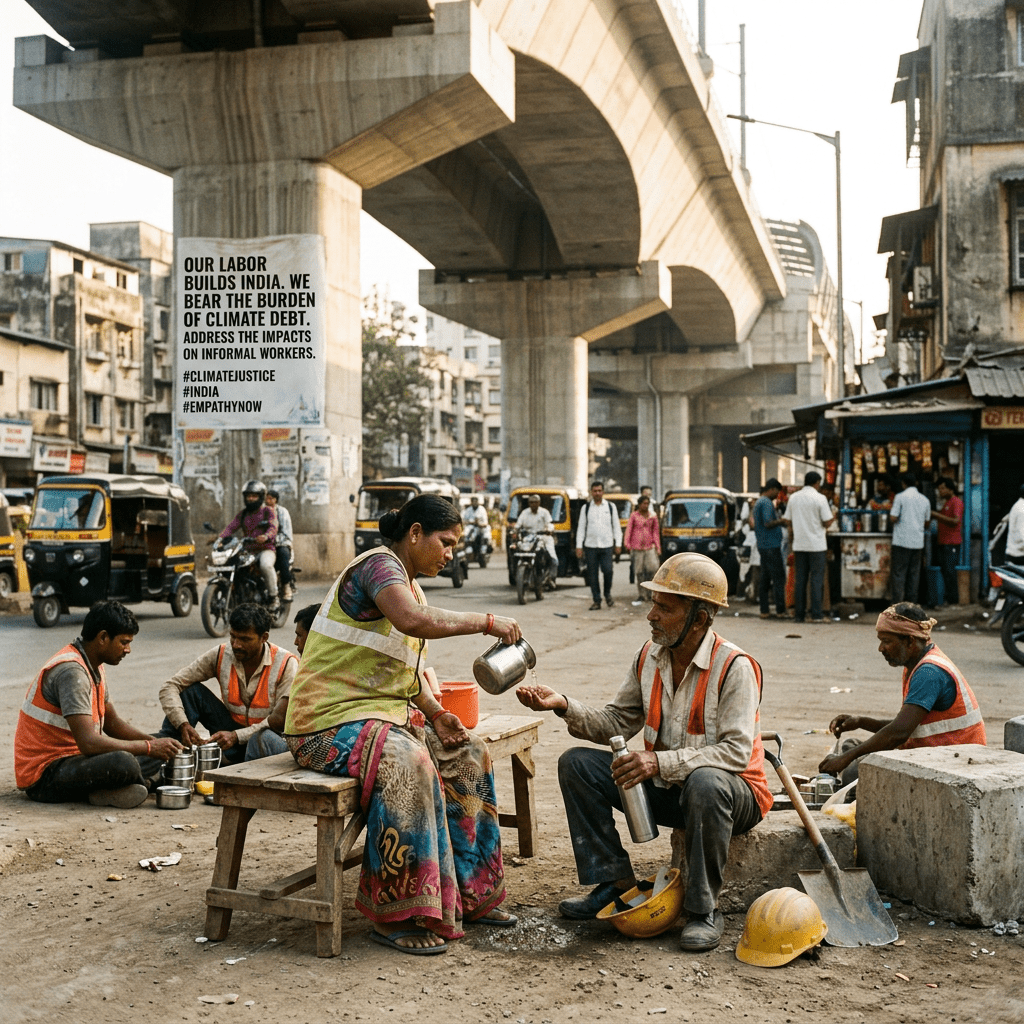
Empathy for the Government of India: Challenges Faced
As the government of India navigates the multifaceted issues surrounding infrastructure development and climate change, it faces a unique set of challenges that require understanding and empathy.
Infrastructure Development
Building and maintaining infrastructure is a daunting task, especially in a country as vast and diverse as India. The government must balance the need for improved roads, public transport, and essential services while ensuring that these developments are sustainable and cater to the needs of all citizens.
Climate Change
The effects of climate change are increasingly evident, presenting additional hurdles for policymakers. From extreme weather events to rising sea levels, the government must allocate resources effectively to mitigate these impacts while striving for economic growth and development.
Economic Constraints
India’s economic landscape is also characterized by substantial debts and limited fiscal space. The government’s ability to implement large-scale projects can be stifled by these financial constraints, making it challenging to invest adequately in both infrastructure improvements and climate resilience initiatives.
Informal Employment
Additionally, a significant portion of India’s workforce is engaged in informal jobs, often with low wages and job insecurity. The government’s efforts to uplift this demographic are hindered by systemic issues, including a lack of access to social security, healthcare, and stable income.
Conclusion
Empathy towards the government of India is essential when considering these intersecting challenges. Efforts to improve infrastructure and combat climate change must be made with an understanding of the socio-economic realities faced by millions of informal workers. A collaborative approach that involves all stakeholders can pave the way for more effective and inclusive solutions.

Leave a comment