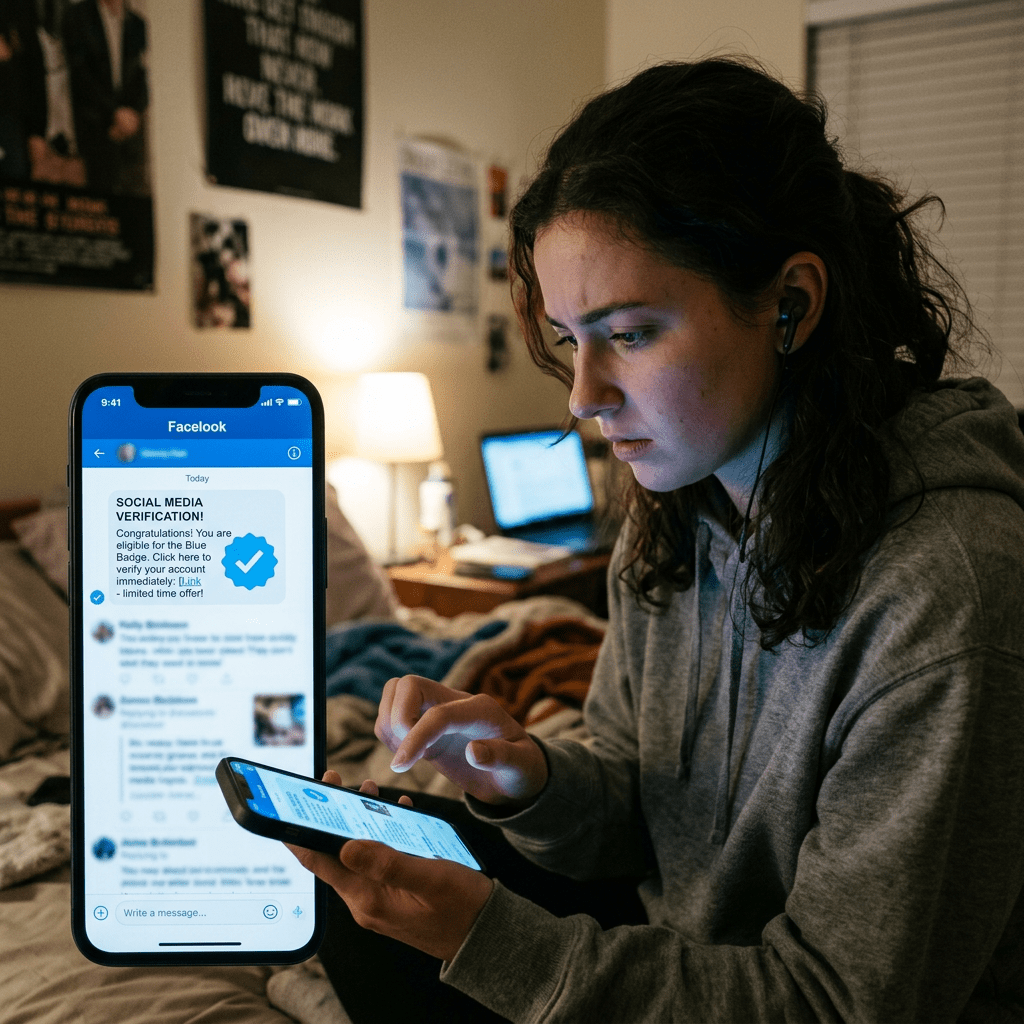
Analysis of Viewer Fail to Verification Fees for Posting Reels and Sharing Posts
In today’s digital age, the rise of social media has empowered individuals to share content widely and, in many cases, monetize their efforts. However, a concerning trend has emerged regarding viewers failing to verify their identities due to unauthorized access to social media, specifically concerning verification fees required for posting reels or sharing posts. This phenomenon not only undermines the user experience but also poses significant risks to the integrity of social media platforms.
The Verification Process
Verification processes on social media platforms exist to establish authenticity, combat misinformation, and protect users from fraudulent activities. When users aim to share content like reels or posts that could generate income, they may be required to undergo a verification process, which often includes submitting personal information and, in some cases, paying fees. This process is intended to ensure that only legitimate and trustworthy accounts participate in monetization activities.
Unauthorized Access and Its Implications
Recently, there has been a surge of scams wherein unauthorized individuals access platforms and create fake accounts. These fraudulent accounts often mislead unsuspecting users into paying verification fees under false pretenses. Victims may receive messages claiming they need to pay a fee to verify their accounts before being allowed to post reels or share content, which is not only misleading but also a violation of trust.
The ramifications of such unauthorized access extend beyond financial loss. It erodes the credibility of the social media platform, discouraging genuine users from engaging with the system due to fears of scams and fraudulent activities. Furthermore, users who fall prey to these scams may become disillusioned with the potential of earning income through social media, stifling creativity and reducing the overall quality of content shared on these platforms.
The Role of Scams in User Experience
Scams related to verification processes hinder the user’s experience and raise broader questions about the security and transparency of social media platforms. Users expect their platforms to implement robust security measures that protect their information and ensure that verification fees are legitimate and reasonable. When scams proliferate, user confidence diminishes, leading to lower engagement and fewer users willing to invest time and effort into creating content that could earn them income.
To combat this issue, social media platforms must invest in enhanced security protocols, including clearer communication regarding verification fees, as well as rigorous monitoring of account activities to detect potentially fraudulent behavior. Educating users about the signs of scams and providing resources for reporting suspicious messages can also empower them to safeguard their accounts.
Conclusion
The phenomenon of viewers failing to verify identities due to unauthorized access underscores a critical challenge for social media platforms. By addressing the vulnerabilities that allow scams to thrive, implementing transparent processes, and educating users, platforms can restore trust and ensure a safer environment for content creators. This, in turn, may revive interest in monetization through social media, allowing users to share authentic and innovative content without the fear of falling victim to scams. Only through collective efforts can the integrity of social media platforms be preserved, benefiting both creators and audiences alike.

Leave a comment