Here’s a concise, evidence-backed comparison of salary quality in informal jobs across India, China, and United States.
Quick headline
India (low): Large informal workforce with low absolute incomes and weak social protection; recent surveys show average annual earnings for many informal workers remain close to ₹1.1 lakh (~low thousands USD). �
China (higher): Migrant and informal workers’ wages have been rising (average monthly migrant worker earnings around CNY ~4,700–5,600 in 2023–24), but large regional and contract-type gaps persist. �
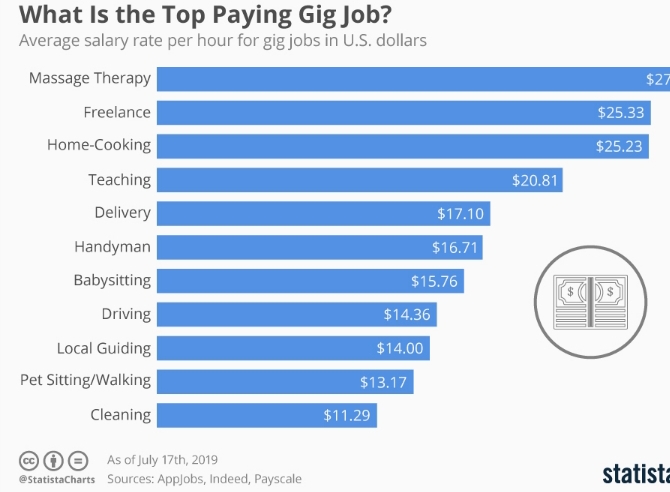
USA (highest): Median/typical wages for formal wage/salary workers are far higher (median weekly/full-time earnings in recent BLS releases are over $1,000/week), so even muany gig/informal earners have much higher absolute pay than their peers in India/China — they may lack benefits. �
India: Average annual earnings reported for informal/non-incorporated workers ≈ ₹110,000–₹140,000 in recent rounds (ASUSE/official summaries). Real purchasing power remains low for urban and rural informal workers. �
China: Average monthly earnings for migrant workers reported ~CNY 4,700–5,600 (≈USD 670–690) in 2023–24; urban private-unit averages and non-private-unit averages are higher but uneven by region and contract status. �
USA: Median usual weekly earnings for full-time wage & salary workers reported at ~$1,200/week (latest BLS releases), implying annual median wages an order of magnitude above India’s informal average. �
Quality of pay — not just the number
Coverage & benefits
India: Informal jobs typically lack paid leave, employer social contributions, unemployment insurance or formal contracts → high vulnerability. �
China: Many informal/migrant workers have increasing wages and some local protections (where registered), but contract status and hukou/registration create big gaps in benefits. �
USA: Higher nominal pay and (for formal jobs) broader employer-provided benefits; but gig/informal workers can still lack health insurance, retirement contributions, unemployment coverage. �
Stability & predictability
India: High seasonality and underemployment in informal work; many households rely on multiple jobs. �
China: Better wage growth trends for urban migrants recently, but instability remains for those without contracts. �
USA: More formal payroll coverage overall (so more predictable pay for payroll employees); gig work remains less stable. �
Main drivers of the observed gap
Economic development & productivity — higher labor productivity in the US → higher average wages.
Labor market structure & formality — larger formal sectors in the US/China relative to India (India has a very large informal share). �
Social protection & regulation — stronger employer-based social programs and minimum-wage enforcement in richer economies. �
Regional & registration systems — China’s hukou/registration affects access to services and benefits for migrants. �
What this means (short policy / practical implications)
For workers: In India many informal workers face low pay + high risk; upskilling, formalization of firms, and better access to social safety nets raise long-term security.
For policymakers: Improving minimum wage coverage, enforcing contracts, and expanding contributory/non-contributory social protection reduce vulnerability.
For analysts: Comparing nominal wages is useful but always adjust for cost of living / purchasing power and benefit coverage to judge “quality of salary.”

Leave a comment