📉 Analysis of Indian Ponzi Scams
Ponzi scams have repeatedly harmed millions of Indians—especially middle-class, rural, elderly, and financially illiterate investors. Below is a clear, structured analysis covering how they work, why they spread, major cases, impacts, and solutions.
🔍 What Is a Ponzi Scheme?
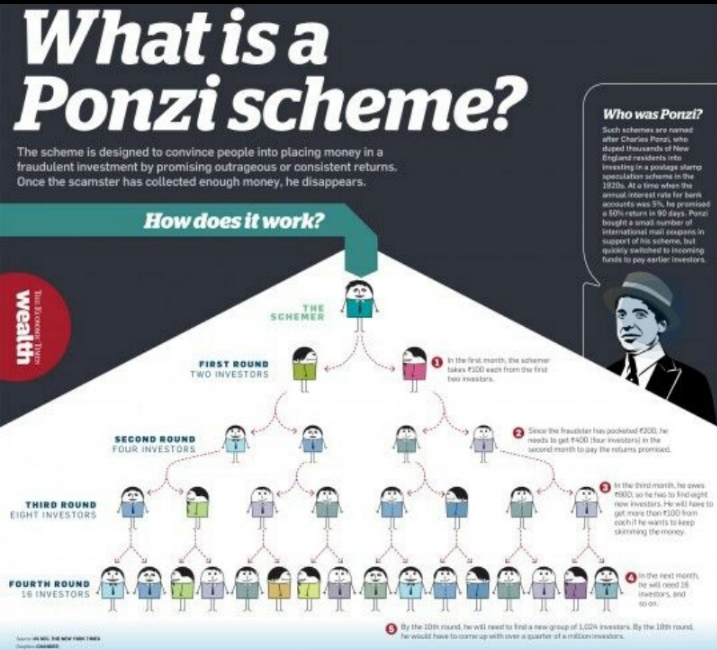
A Ponzi scheme is a fraudulent investment model where:
Returns to old investors are paid using money from new investors
There is no real business or profit
The scheme collapses when new inflows stop
🇮🇳 Why Ponzi Scams Flourish in India
1️⃣ Low Financial Literacy
Many people lack awareness of banking, mutual funds, or regulated investments
Guaranteed “double money” promises seem attractive
2️⃣ Trust-Based Selling
Agents are often:
Relatives
Local leaders
Religious or community influencers
Victims invest due to social pressure and trust
3️⃣ Regulatory Gaps & Delay
Overlapping jurisdiction between state police and SEBI
Slow legal processes allow scams to grow unchecked
4️⃣ High Unemployment & Inflation
People seek quick, passive income
Scammers exploit financial stress
🧨 Major Ponzi Scams in India
🔴 Saradha Group (2013)
Loss: ₹25,000+ crore
Victims: ~1.7 crore
Region: West Bengal, Odisha, Assam
Used media companies & chit funds as cover
🔴 Sahara India
Illegal fundraising via bonds
₹24,000+ crore stuck
Millions awaiting refunds (even in 2025)
🔴 Rose Valley, Speak Asia, PACL
Targeted rural & semi-urban India
Promised land, tourism, survey income
👥 Who Suffers the Most?
Daily wage workers
Pensioners
Women self-help groups
Minority & migrant communities
Persons with disabilities (PwDs)
Many victims sell land, gold, or take loans—leading to lifelong debt.
⚠️ Common Red Flags
🚩 Guaranteed high returns (10–30% monthly)
🚩 No clear product or business model
🚩 Pressure to recruit others
🚩 Cash-based collections
🚩 No SEBI registration
Golden Rule: If it sounds too good to be true—it is.
🏛️ Government & Legal Response
Banning of Unregulated Deposit Schemes Act, 2019
ED & CBI investigations
Supreme Court-monitored refunds (e.g., Sahara)
Still slow recovery & poor conviction rates
🛠️ Solutions & Prevention
✅ Strengthen Financial Education
School & community-level awareness
Content in regional languages & sign language
✅ Faster Regulation
Single-window reporting system
Real-time tracking of suspicious schemes
✅ Community Reporting
Encourage whistleblowers
Protect informants
✅ Promote Safe Alternatives
Post Office schemes
Bank fixed deposits
SEBI-regulated mutual funds
📌 Conclusion
Ponzi scams in India are not just financial crimes—they are social tragedies. Until financial literacy, trust awareness, and enforcement improve together, vulnerable citizens will remain at risk.

Leave a comment