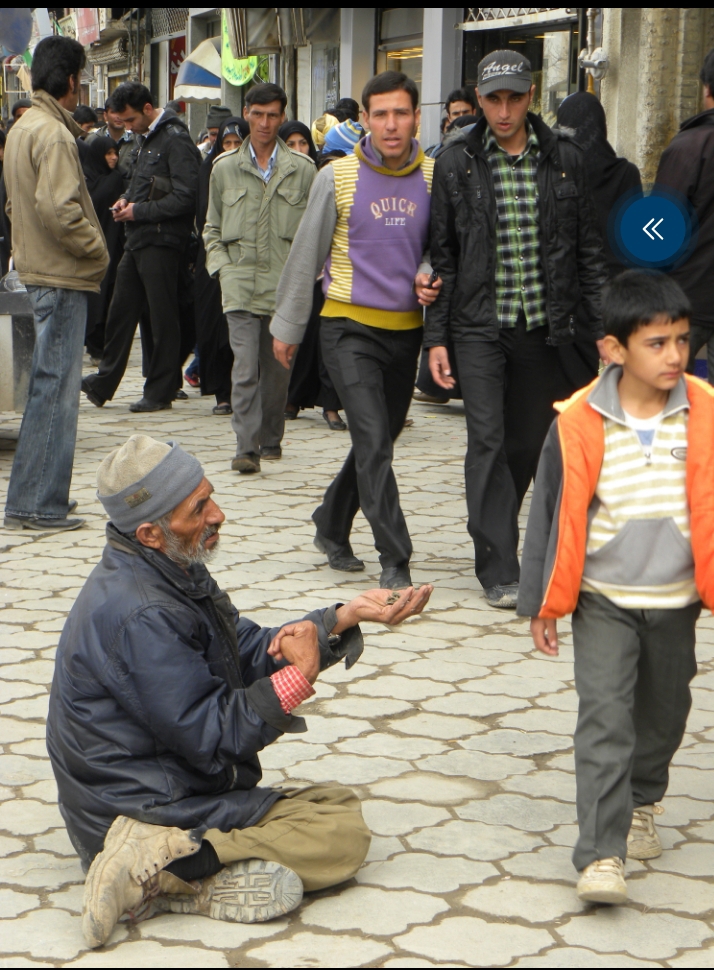
Summary: Increase of Beggars in Major Cities of India – Key Reasons
The rise in the number of beggars in major Indian cities such as Delhi, Mumbai, Kolkata, Bengaluru, Chennai, and Hyderabad is driven by a mix of economic, social, and structural factors:
Main Reasons
- Rural Poverty & Migration
- Farmers, landless laborers, and rural poor migrate to cities due to crop failure, debt, and lack of jobs.
- Many fail to find stable urban employment and end up begging.
- Unemployment & Informal Work Crisis
- Growth of contractual and informal jobs with low wages.
- Job losses due to automation, economic slowdown, and pandemics push vulnerable workers into poverty.
- High Cost of Urban Living
- Rising rent, food prices, healthcare, and transport costs make survival difficult for low-income groups.
- Even working poor may resort to begging.
- Lack of Social Security Coverage
- Many homeless people lack ration cards, Aadhaar linkage, pensions, or health insurance.
- Migrants often excluded from welfare schemes.
- Disability, Old Age & Illness
- Elderly, disabled, and chronically ill individuals without family support depend on begging.
- Mental health issues remain largely untreated.
- Family Breakdown & Domestic Violence
- Abandonment, abuse, and broken families force women and children onto the streets.
- Urban Inequality
- Cities show sharp contrast between wealth and extreme poverty, increasing visible begging.
- Organized Begging Networks (in some cities)
- Trafficking and forced begging of children and disabled persons by criminal groups.
Overall Insight
The increase in beggars reflects deep-rooted urban poverty, migration stress, weak social protection, and unequal development, not just individual failure. Addressing it requires jobs, affordable housing, universal welfare access, rehabilitation, and mental healthcare, not punishment.

Leave a comment