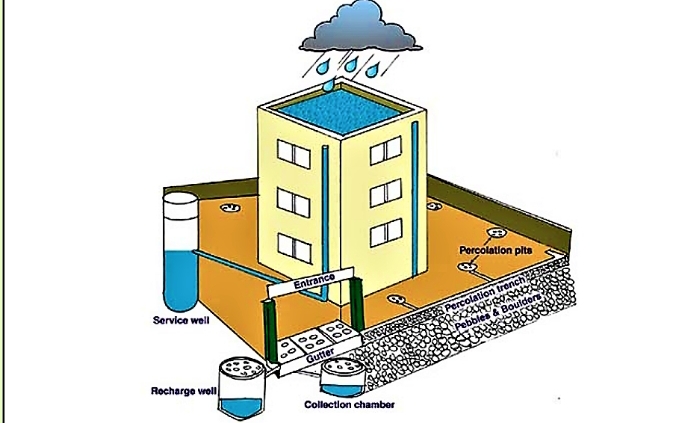
Here is a brief and clear summary of how major Indian cities can recharge groundwater and revive rivers:
✅ How to Recharge Groundwater in Cities (Brief)
1. Rainwater Harvesting Everywhere
- Make rooftop systems mandatory in all buildings.
- Create recharge pits, percolation tanks, and soak wells to let rainwater seep underground.
2. Restore Lakes, Tanks & Wetlands
- Remove encroachments and desilt lakes.
- Connect lakes in a chain system so excess water flows from one to another.
3. Protect & Revive Natural Drainage (Nalas)
- Stop concretizing stormwater drains.
- Allow water to infiltrate instead of rushing away.
4. Increase Urban Green Cover
- Urban forests, parks, green belts, roadside plantations.
- Soil absorbs more rain → increases recharge.
5. Use Treated Wastewater for Non-Drinking Use
- Industries, gardens, and construction use treated water →
Saves fresh groundwater for drinking.
6. Limit Over-Extraction
- Smart meters for borewells.
- Ban illegal borewells and regulate groundwater use.
✅ How to Revive Rivers in Cities (Brief)
1. Stop Sewage Discharge
- 100% sewage treatment before entering rivers.
2. Reconnect Floodplains
- Remove encroachments, restore natural width of rivers.
3. Recharge Groundwater (Supports River Baseflow)
- More groundwater → natural water flows back into rivers during dry season.
4. Clean & Restore Tributaries
- Small streams (nalas) feeding rivers must be restored first.
5. Eco-Friendly Riverfront Development
- Use natural vegetation, not concrete embankments.
⭐ In One Line
Recharge groundwater by capturing rain where it falls, restoring lakes & soil.
Revive rivers by stopping pollution, restoring floodplains, and improving groundwater levels.

Leave a comment