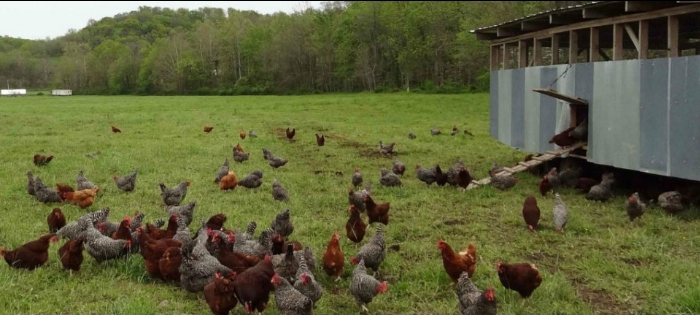
A real-life example of organic farming can be seen at Polyface Farm in Virginia, USA, run by Joel Salatin and his family. The farm demonstrates how organic methods can achieve sustainability, profitability, and environmental balance simultaneously �.
How It Is Applied
Polyface Farm uses a rotational grazing system, where animals such as cattle, chickens, and pigs are moved periodically across different pasture sections. This allows the soil to recover and reduces disease among livestock. The animals fertilize the fields naturally with their manure, eliminating the need for synthetic fertilizers.The farm also avoids chemical pesticides and fertilizers, opting instead for biological pest control and natural soil enrichment. Composting, use of rainwater harvesting, and integration of crops with livestock help maintain soil fertility, conserve water, and reduce pollution.Benefits Observed
Environmental: Healthy soil, high biodiversity, low erosion, and no chemical runoff.Economic: The farm sells organic produce directly to consumers at premium prices, ensuring financial sustainability.
Health and Social: The food produced is free from harmful chemical residues and contributes to community health through clean, nutrient-rich products.Such integrated organic methods, like those at Polyface Farm, are also reflected in India’s Sikkim, which has become the world’s first fully organic state, proving large-scale success in organic agriculture ��.

Leave a comment