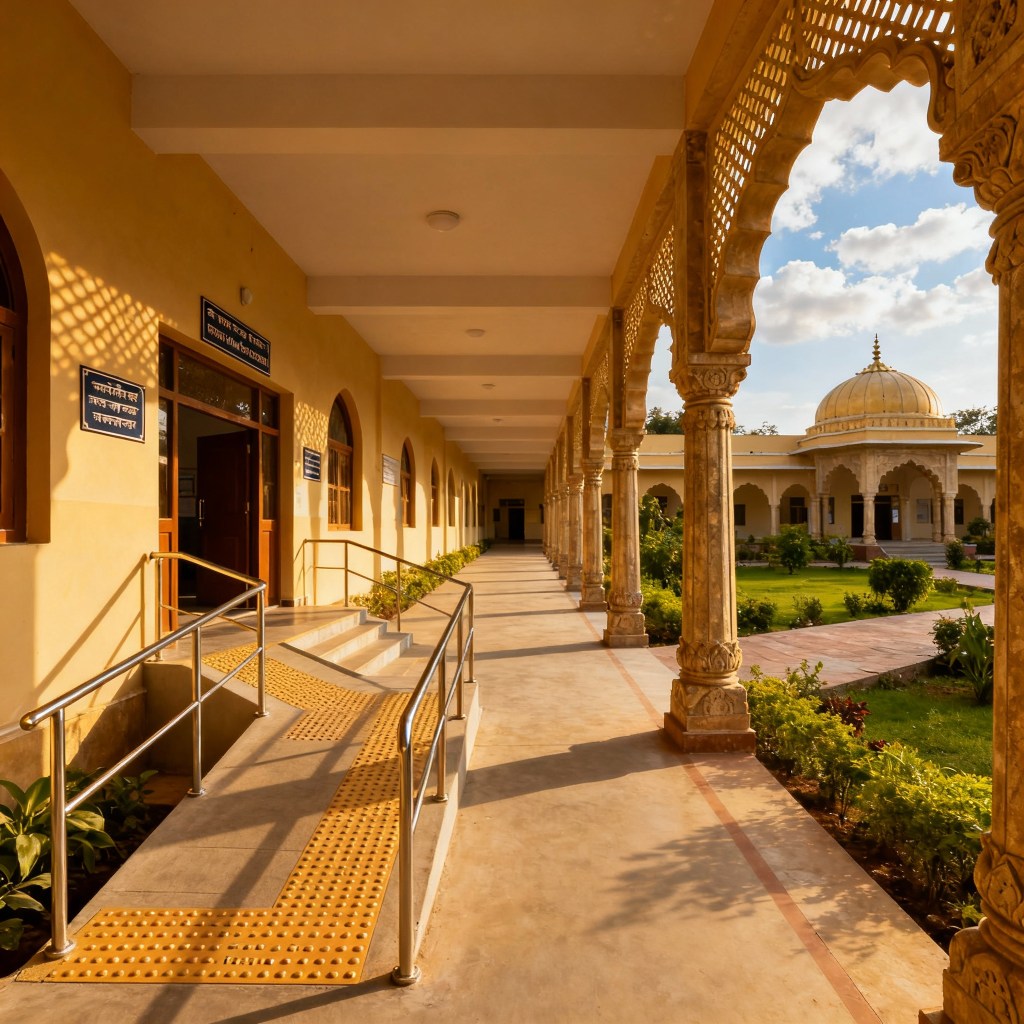
India has a limited but growing set of colleges and polytechnics dedicated to deaf and hard-of-hearing students, with a strong emphasis on vocational and technical education. The most prominent examples include institutions in Karnataka, Kerala, Tamil Nadu, and Maharashtra, but there is a consistent national gap in higher education accessibility for the deaf community����.
Major Deaf Colleges and Polytechnics
JSS Polytechnic for the Differently Abled (Mysuru, Karnataka):This is India’s first polytechnic for differently abled students, including those who are deaf���. It offers diplomas in Computer Science, Electronics & Communication, Architecture, Jewellery Design, and Commercial Practice, along with placement assistance. The campus provides auditory therapy, articulation training, and supports digital hearing aids for students�.
St. Louis College for the Deaf (Chennai, Tamil Nadu):India’s first exclusive college for the deaf and the second in Asia, offering undergraduate (B.Com., BCA) and postgraduate (M.Com.) degrees, imparted with sign language support�.
National Institute of Speech and Hearing (NISH, Trivandrum, Kerala):Recognized for B.Sc (Computer Science), BFA (Fine Arts), and various campus facilities for deaf students, including sign language support and placements. It is a pioneering institution in South India for higher education for the deaf�.
NDFC Technical Institute & College for the Deaf (Pattambi, Kerala):Offers undergraduate, postgraduate, diploma, and vocational courses tailored for deaf students, with instruction through sign language and a focus on IT, commerce, and business subjects�.
System Analysis and State-wise Spread
Most deaf higher education institutes are limited to a handful of states (notably Karnataka, Kerala, Tamil Nadu, Maharashtra, and Gujarat), with major cities observing higher concentration due to better resources and accessibility�����. These institutes typically offer:Technical or vocational programs with industry-oriented training Courses in sign language and inclusive pedagogical methods Placement support or transition-to-employment services Collaborative arrangements with hearing aid and speech therapy providers However, the overall count remains marginal compared to the broad population of deaf youth. Many students still lack access to college-level options, with a significant portion (up to 19%) being out of school due to stigma, lack of trained teachers, and absence of sign language in curricula���.
Challenges and Policy Analysis
Access and Dropout:High dropout rates persist, mainly due to non-adoption of sign language, oralism pressures, and insufficient transition planning from school to higher education environments���.
Geographical Disparities:Most institutes are in southern or western states, with northern and eastern India lagging behind in dedicated deaf higher education capacity��.
Policy Recommendations:There is a national drive to recognize Indian Sign Language as an official language, recruit more sign-trained teachers, and open additional specialized colleges and polytechnics to bridge current gaps��.
Representative L
Summary India’s landscape of deaf colleges and polytechnics is growing yet still faces significant gaps in equitable access, regional spread, curriculum adoption, and long-term policy support��������.

Leave a comment