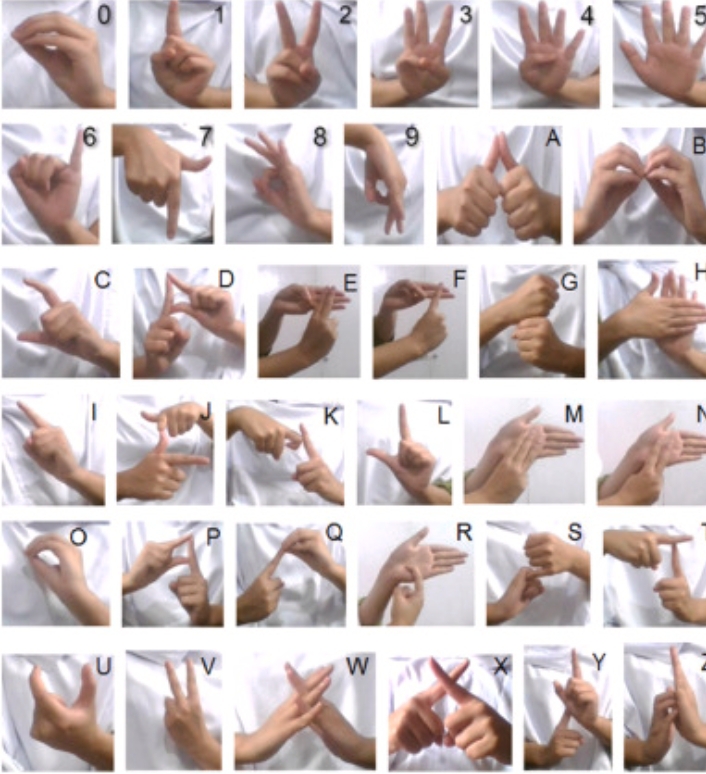
A real-life situation where Indian Sign Language (ISL) is actively applied is in hospitals and healthcare settings, where it helps doctors and nurses communicate with deaf or speech-impaired patients.
For example, the Indian Sign Language-Real-Life Words dataset includes essential ISL gestures like “pain,” “doctor,” “assistance,” and “agree,” which are commonly used to convey medical conditions or emotions during treatment interactions �.
How ISL is Used in This Context When a deaf patient visits a clinic, they may struggle to describe their symptoms or understand medical advice. Through ISL:The patient uses hand signs for words like “pain,” “where,” or “medicine” to explain their condition.
Healthcare workers trained in basic ISL respond with signs for “medicine,” “wait,” or “doctor,” ensuring mutual understanding.In hospitals with digital ISL recognition systems, AI tools can translate a patient’s gestures into text or speech in real-time, allowing faster diagnosis and reducing anxiety for patients ���.
This application of ISL bridges communication barriers in healthcare, improving patient care and inclusivity. It demonstrates how sign language serves not only as a linguistic system but also as a life-saving communication bridge in essential services.

Leave a comment