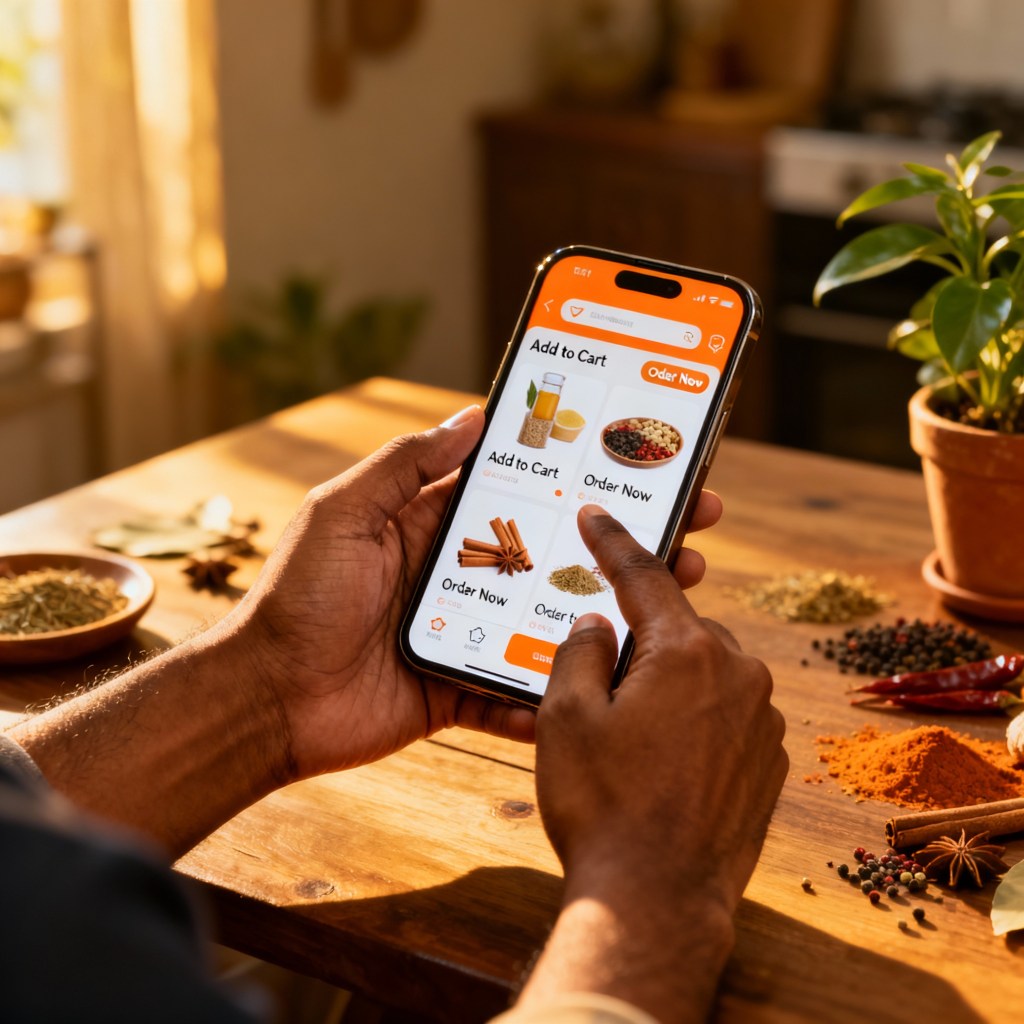
Indians order products using online shopping apps at very different rates depending on the state, with leading regions characterized by better internet access, urbanization, and digital literacy. States and union territories such as Chandigarh, Goa, Delhi, and Maharashtra are among the highest adopters, while some large and rural-dominated states lag behind in app-based shopping usage��.
State-wise Patterns and Top Performers Chandigarh has the largest proportion of online shopping households, with about 69% purchasing via e-commerce apps�.
Goa (51.6%) and Dadra & Nagar Haveli & Daman & Diu (50.6%) also show strong adoption, outpacing larger states�.
Among large states, Maharashtra leads in both the volume and value of digital transactions, driven by the urban hubs of Mumbai and Pune, followed by Karnataka (with Bengaluru as a tech nucleus), Uttar Pradesh, Telangana, and Tamil Nadu�.
Delhi stands out for sheer activity, with nearly 48.3% of households shopping online and 78.2% of total household purchases being online, ranking just behind Chandigarh in terms of household penetration�.
Trends in Ordering Behavior Urban and younger populations, especially aged 25–34, show the highest engagement with shopping apps�.
Most orders are for non-food products like apparel, electronics, and household goods. Nationally, only 7.6% of app-based purchases are for food, while more than half are for non-food goods��.
Tier-2 and -3 cities, and smaller states and union territories, are rapidly closing the adoption gap, suggesting a democratization of digital retail�.
Sectors and Usage Key sectors driving transactions include retail, groceries, utility bill payments, transport, digital goods, and increasingly education and government services�.
More than 80% of Indian shoppers use smartphones for online ordering, indicating the critical role of mobile apps in shaping the e-commerce landscape�.
Festive seasons and viral trends heavily influence purchase decisions, with apps like Amazon and Flipkart dominating, but social commerce on platforms like Instagram rising fast��.
States Lagging in Adoption Large but less urbanized states like Madhya Pradesh (17.9%), Uttar Pradesh (18.9%), and West Bengal (20.8%) are below the national average for household online shopping penetration�.
The lowest adoption rates are noted in states like Meghalaya (5.8%), Ladakh (14.0%), and Tripura (13.1%), due to connectivity, lower income, and limited digital infrastructure�.
Conclusion State-wise analysis of online shopping app adoption in India reveals a dynamic market where smaller urbanized territories set the pace, but rapid digitalization is bringing Tier-2 and -3 markets into the e-commerce mainstream. Policy focus, urban infrastructure, and local initiatives continue to shape the patterns of app-based product ordering in India���.

Leave a comment