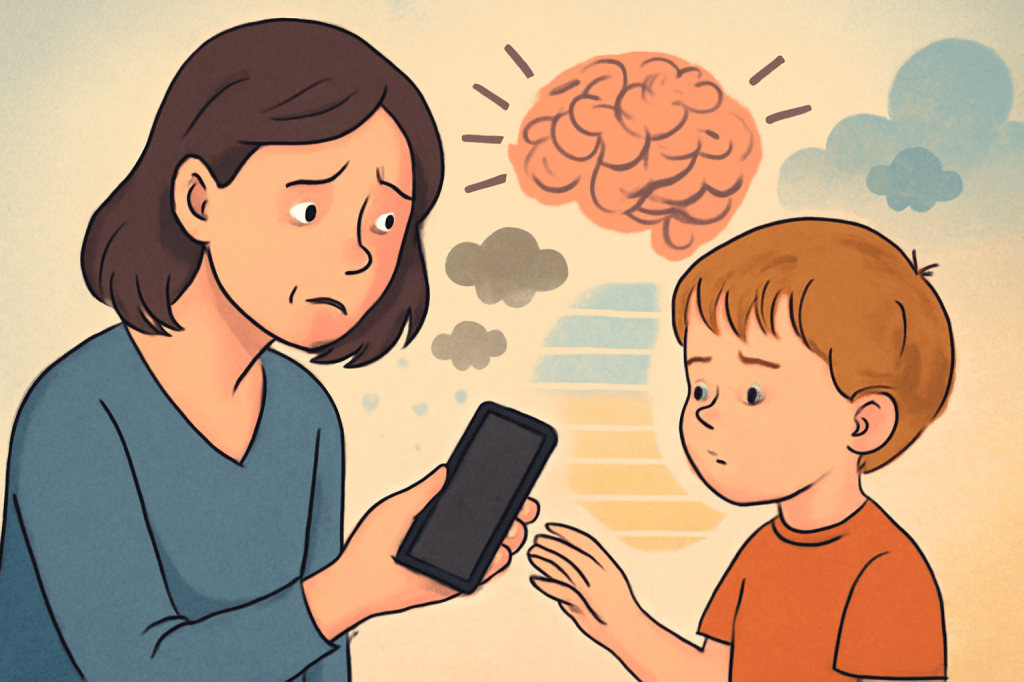
Giving children a smartphone at an early age—especially before age 13—has been found to negatively affect their mental health and cognitive development later in life.Key Findings
Mental Health Risks
Studies from large global surveys show that children who receive a smartphone before age 13 report significantly poorer mental health when they become young adults. These include higher rates of suicidal thoughts, aggression, emotional detachment, feelings of low self-worth, and detachment from reality.The risk increases with every year younger a child was given their first smartphone.
For example, mental health scores were lowest for those who received smartphones at age 5, much worse than those who got them at 13.Girls seem particularly vulnerable, reporting lower emotional resilience and confidence, while boys report less stability and empathy.
Cognitive and Social Impact
Excessive use impacts attention span and academic achievement. Children with higher smartphone usage showed shorter attention spans, lower academic scores, and preferred entertainment over educational use. This can result in decreased learning engagement and skill development in subjects like math and science.Smartphone addiction in children correlates with lower physical activity, which further impacts cognitive functioning.Mechanisms
Social Media Exposure: Early smartphone use usually means early access to social media, cyberbullying, and negative family relationships.
Sleep Disruption: Usage—especially before bedtime—disrupts sleep patterns, contributing to worse mental and emotional health.
Emotional Regulation: Early smartphone access is linked to difficulties in managing emotions and stress.Long-term EffectsThese negative impacts manifest in young adulthood, shaping emotional, social, and cognitive functioning—sometimes referred to as “mental age.” The patterns appear consistent across cultures and regions.Researchers strongly recommend delaying smartphone and social media access until age 13 or older, and suggest alternatives such as phones without internet and social media capabilities for younger children.Expert ConsensusThere’s a compelling case for restricting smartphone access for young children. Risks are too significant to ignore for their long-term mental health, cognitive development, and overall well-being.
Parents’ Role
Limit screen time, especially before bedtime.
Encourage educational content and offline activities.
Delay smartphone ownership and access to social media until children are more mature.
In summary, early smartphone ownership has clear links to problematic mental health and cognitive development outcomes in the future, highlighting the crucial importance of parental guidance and policy measures around children’s access to digital devices and environments.

Leave a comment