Indians celebrate Independence Day (15th August) as a public festival because it’s not just a historical date — it’s a deeply emotional symbol of unity, pride, and freedom.
Here’s why it takes on a festival-like spirit:
- A hard-earned freedom – India gained independence in 1947 after almost 200 years of colonial rule and countless sacrifices. For many, the day is not just remembered, but celebrated as the victory of resilience and unity.
- National unity across diversity – India’s many languages, religions, and cultures come together under one flag. This rare nationwide unity gives the day a celebratory, carnival-like feel.
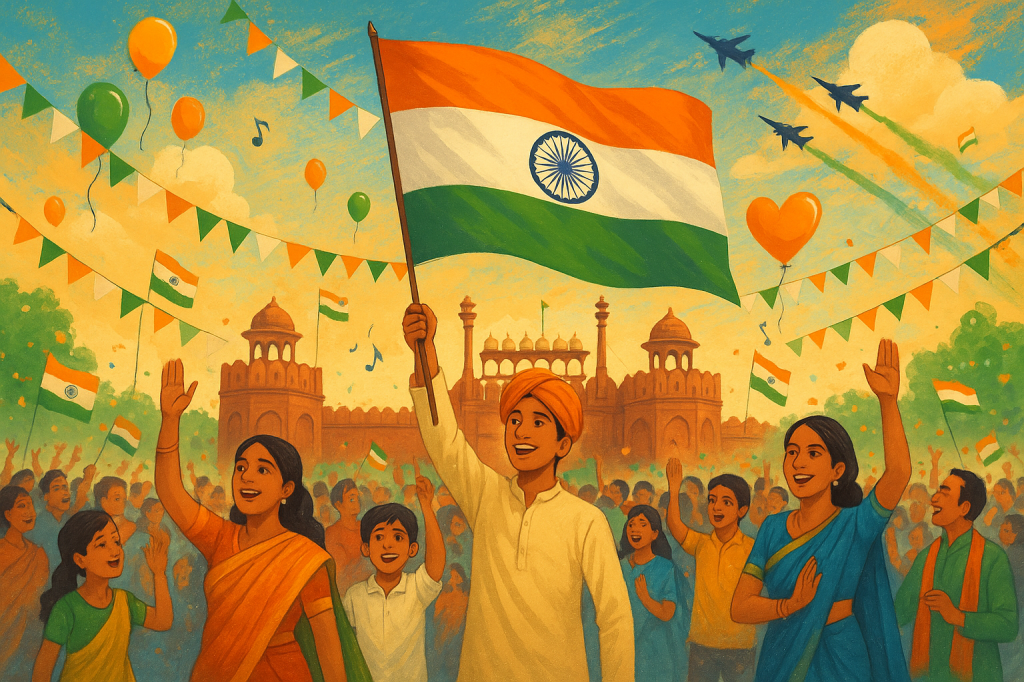
- Public gatherings & decorations – Schools, offices, and streets are filled with flags, lights, cultural programs, and parades. The colors of the Indian flag appear everywhere, making the day visually festive.
- Music, food & cultural performances – Patriotic songs, traditional dances, and street food stalls make it feel like a giant fair in many cities and towns.
- A reminder of identity – The celebration reinforces the feeling of being part of one nation, much like religious festivals reinforce community bonds.
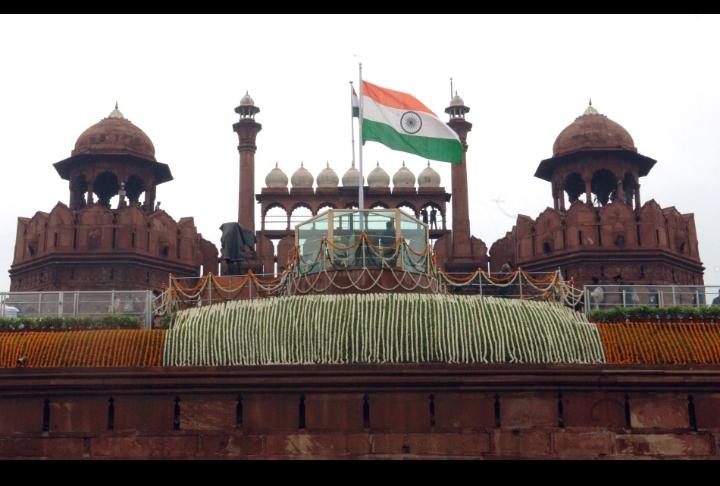
- Government-led grandeur – The Prime Minister’s address from the Red Fort, military parades, and air shows inspire pride and add a ceremonial spectacle.
In short — Independence Day in India blends patriotism with festival culture, making it both a day of remembrance and a joyful public celebration.

Leave a comment